
Daytime Running Lights for Cyclists: Why I Never Ride Without the SEEMEE 300
By Jeremy Lucas

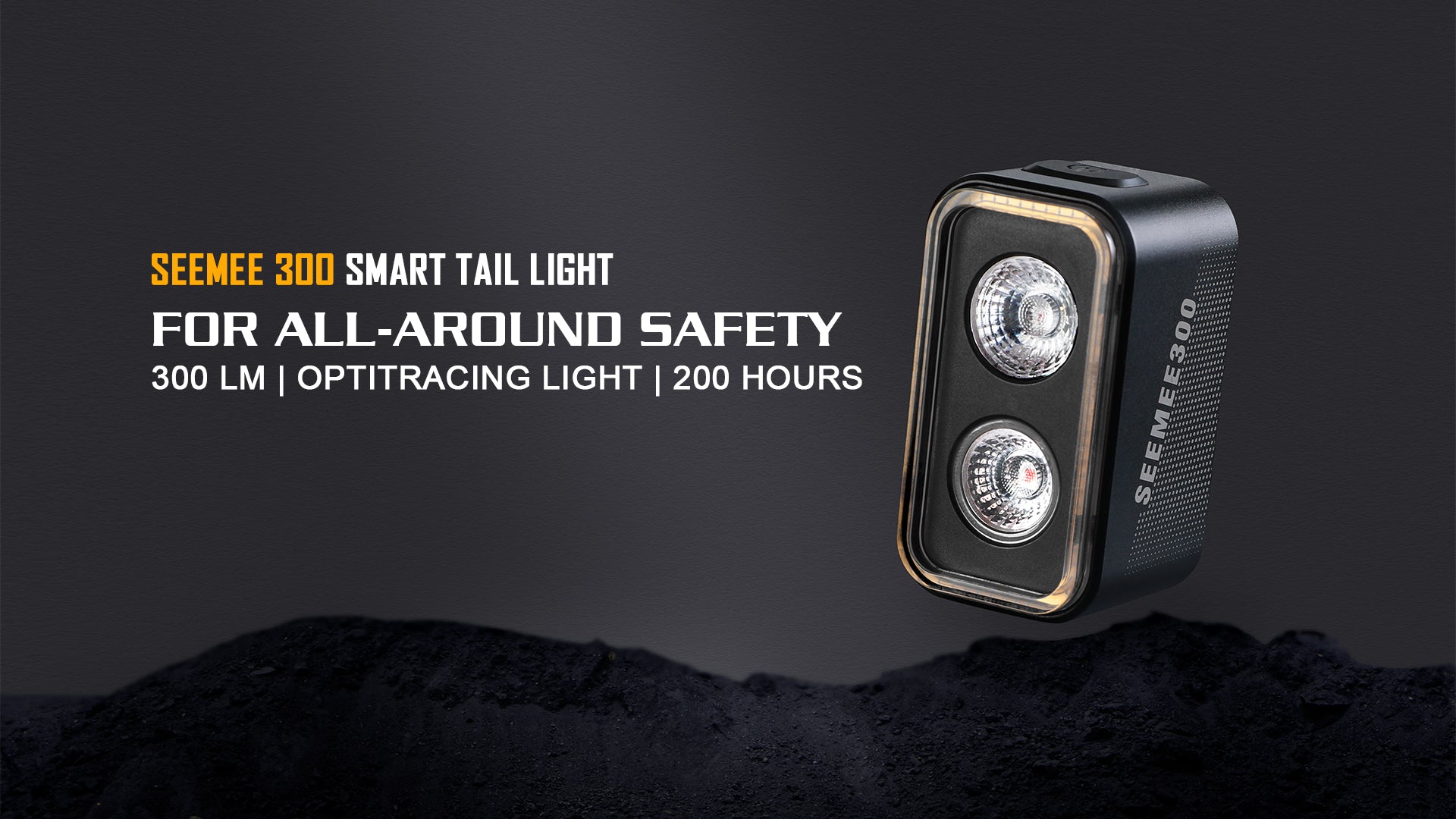
The short answer: Yes, you should run lights during the day. A bright flashing taillight makes drivers notice you sooner, and that's the single biggest thing a light can do for a road cyclist. You need a light that's actually visible in sunlight, which usually means 100 lumens or more on the rear, a daytime flash pattern, and ideally a brake light. The Magicshine SEEMEE 300 is the one I run on every ride, day or night.
Why Daytime Lights Matter
Most riders think of lights as a nighttime thing. But plenty of crashes between cars and cyclists happen in broad daylight, and one of the most common things drivers say afterward is some version of "I didn't see them."
Drivers aren't scanning for cyclists. They're looking for cars, signs and lights. A flashing light catches the eye in a way that a rider in a jersey doesn't, even a bright one. It gives a driver a few more seconds to notice you, figure out what you are, and move over.
I ride about 10,000 miles a year, a lot of it on roads shared with traffic. A daytime taillight is the one piece of safety gear I never leave home without.
What Makes a Good Daytime Taillight
Enough brightness for sunlight
A small 20-lumen blinky is fine at night. In direct sun, it's nearly invisible. For daytime, look for 100 lumens or more on the rear. The SEEMEE 300 puts out 300 lumens.
A real daytime flash pattern
A good daytime mode uses a sharp, irregular flash that stands out against a bright background. The SEEMEE 300 has a Smart Day Flash mode built for exactly this.
Wide visibility
Drivers don't only approach from straight behind. They come from side streets, driveways and angles. A light that's only visible from directly behind misses a lot. The SEEMEE 300 has a 260° visible angle.
A brake light
When you slow down, the cars behind you should know. A brake-sensing taillight flashes brighter when it detects you slowing, just like a car's brake lights.
Runtime for long rides
Daytime riders tend to forget about their lights until they're dead. A light with long runtime in flash mode means you charge less and actually have it on when you need it.
Magicshine SEEMEE 300: What It Does
| Max output | 300 lumens |
| Visible angle | 260° |
| Ring light | 360° OptiTracing ring |
| Sensors | Brake, motion, and ambient light |
| Daytime mode | Smart Day Flash |
| Modes | 5 |
| Max runtime | Up to 200 hours (lowest mode) |
| Battery | 1,600 mAh |
| Body | Aluminum |
| Water resistance | IPX6 |
| Mounts | Seatpost and saddle rail mounts included |
| Price at 168Velo | $49.45 |
The 360° OptiTracing ring
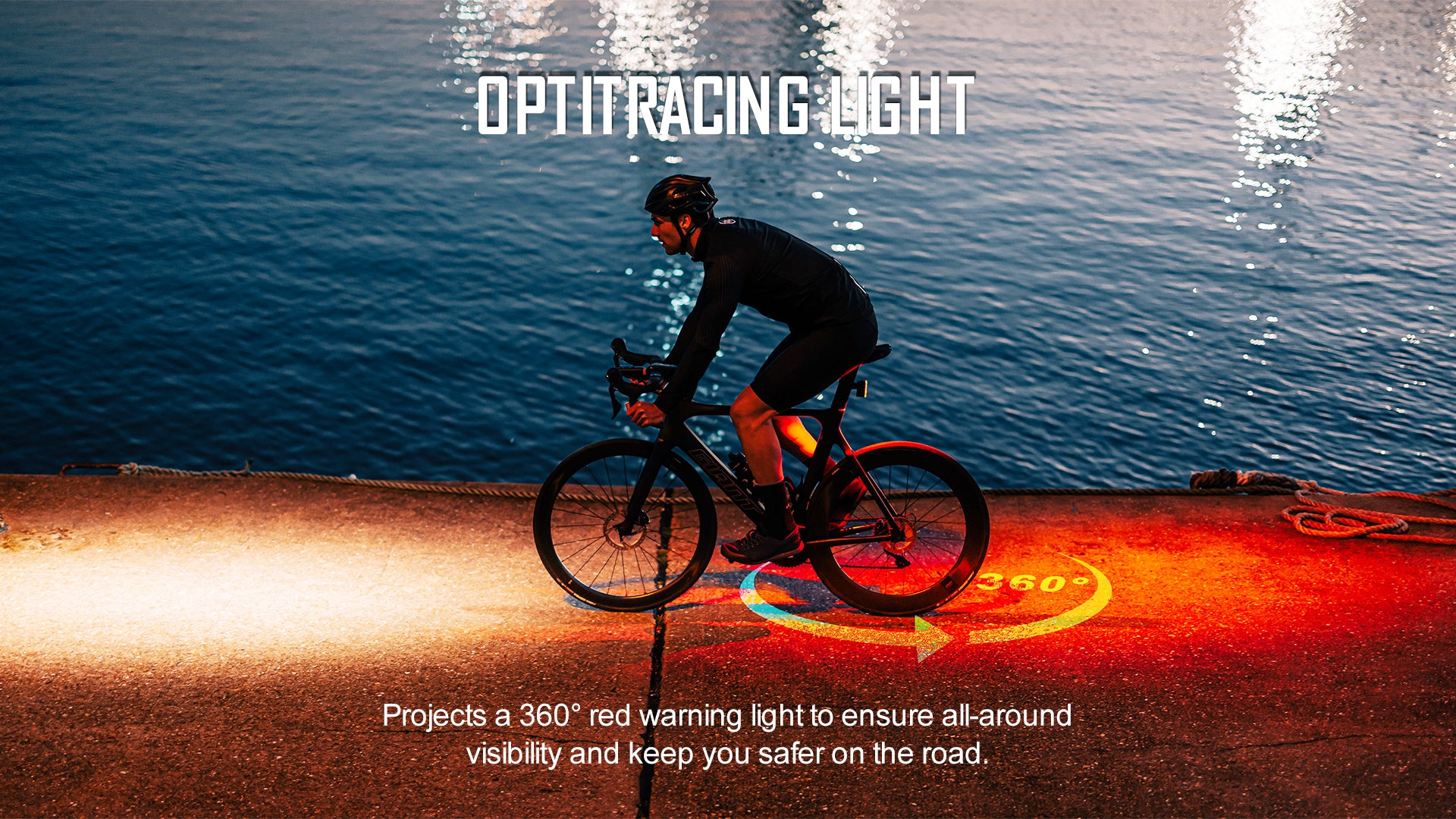
Along with the main light, the SEEMEE 300 has a ring of light around the body. It gives the light a distinctive look that reads differently from a regular blinky, and it adds side visibility.
Three sensors
- Brake sensor: brightens when you slow down.
- Motion sensor: turns the light on when you start moving and off when you stop, so you don't come back from a coffee stop to a dead light.
- Ambient light sensor: adjusts to conditions, so it's bright enough for sunlight and not overpowering at night.
Built to survive
The aluminum body and IPX6 rating mean it handles rain, road spray and being knocked around. It mounts on a seatpost or saddle rails.
Daytime Light Etiquette
Being seen is good. Blinding people is not. A few rules I follow:
- Use daytime flash during the day, not the brightest mode at night.
- Turn it down in group rides. The rider behind you doesn't need 300 lumens flashing in their face for three hours. Use a lower mode or steady mode in a paceline, and save the bright flash for when you're alone or at the back.
- Point it straight back, not up at drivers' eyes.
- At night on bike paths, a steady mode is often more considerate than a flash.
Do You Need a Front Light During the Day Too?
It helps, especially for drivers turning left across your path or pulling out of side streets. Those are some of the most dangerous situations for road cyclists. A front light with a daytime flash makes you more visible to oncoming drivers. Both Magicshine EVO 1700 lights work well for this, and both use a cut-off beam so they won't blind drivers. I compared them in EVO 1700 UT vs. EVO 1700 PRO.
If you can only buy one, buy the taillight first. Rear visibility matters most for riders on the shoulder with traffic coming from behind.
Lights Aren't a Force Field
A daytime light helps drivers see you. It doesn't make them pay attention. Ride predictably, hold your line, make eye contact at intersections, and assume you haven't been seen until a driver shows you otherwise. Lights are one layer of safety, not the whole plan.
Questions to Ask When Buying a Daytime Taillight
- Is it bright enough to see in direct sunlight, around 100 lumens or more?
- Does it have a flash pattern designed for daytime?
- How wide is the visible angle?
- Does it have a brake light?
- What's the runtime in the flash mode I'll use?
- Does it mount securely on my seatpost or saddle?
- Is it from a brand with a real warranty?
Warranty
The SEEMEE 300 carries Magicshine's 2-year warranty, plus 6 months with registration. Buy from 168Velo and claims go through us. See our warranty page.
Bottom Line
If you ride on roads, run a bright taillight every ride, day or night. It's one of the cheapest, easiest ways to make drivers notice you sooner. The SEEMEE 300 is bright enough for sunlight, has a brake light, and runs a long time between charges. It's on my bike every time I ride.
Questions? Text (801) 821-6846 or email support@168velo.com. For how much light you need in different conditions, see how many lumens do you need on a bike light?
0 comments